
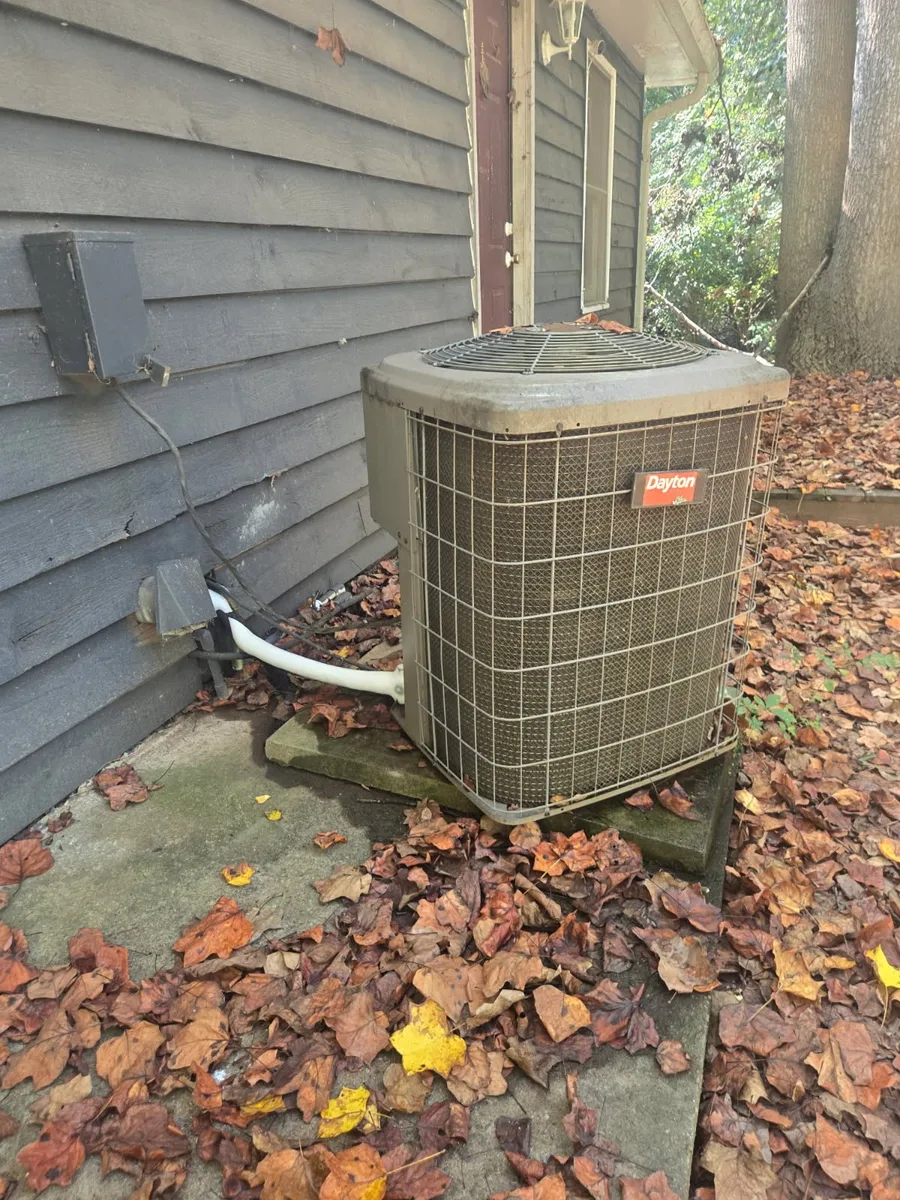
Start with repair facts
Ask what failed, why it failed, what other components are aging, and what the repair includes. A low-cost part on a newer system is different from a major sealed-system repair on an older one.
Do not copy the old size
A replacement should be selected from a load calculation and verified ductwork, not copied from the existing nameplate. Oversizing can create humidity and cycling problems.
Compare the installation
Review efficiency, warranty, labor, thermostat, refrigerant, electrical work, drainage, duct changes, permits, and startup testing. Installation quality affects comfort and reliability.
Ask about the transition plan
A replacement may expose duct, electrical, drainage, pad, or line-set issues. A thorough proposal identifies those items before installation day rather than treating them as surprises.
Protect the investment
Register the equipment, keep warranty documents, learn the filter size, and schedule the recommended startup or maintenance checks. Correct installation and ongoing airflow matter to the life of the system.